

White-Tailed Deer
The Problem
Healthy Herds, Balanced Landscapes, and Emerging Challenges
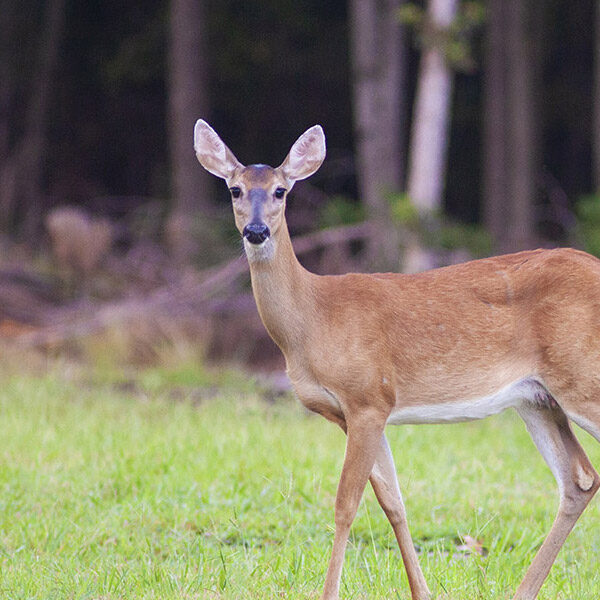
The white-tailed deer is one of North Carolina’s most recognizable and valued wildlife species. From the mountains to the coast, deer are an integral part of our natural heritage and a cornerstone of the state’s hunting tradition.
Today, North Carolina supports a healthy and widespread deer population, estimated at around one million animals. While populations are stable at the statewide level, localized overabundance can occur – particularly in suburban and agricultural areas – leading to habitat degradation, crop damage, and increased human-wildlife conflicts. Carefully regulated hunting remains an effective tool for maintaining balanced deer populations and healthy ecosystems.
The Solution
Manage Healthy Populations and Address Disease Risk and Spread
We support additional Chronic Wasting Disease (CWD) research, funding, and disease management efforts to work towards mitigating the harm posed by CWD to cervid populations in North Carolina. We also firmly oppose the import and export of farmed raised deer and elk to fence hunting preserves.
A Growing Threat: Chronic Wasting Disease
CWD is considered the most significant disease threat to North American deer and other cervids, including elk. In March 2022, CWD was detected for the first time in North Carolina, marking a major shift in how the state manages its deer herd.
In response, the North Carolina Wildlife Resources Commission established CWD Surveillance Areas and implemented targeted regulations to limit the spread of the disease and protect both wild deer and elk populations.
Monitoring and Management in North Carolina
The North Carolina Wildlife Resources Commission has been proactively monitoring for CWD since 1999.
Today, surveillance relies on a combination of:
-
Hunter-harvested deer
-
Roadkill collection
-
Samples from cooperating processors and taxidermists
Early detection remains critical to guiding management decisions.
Protecting North Carolina’s Deer Herd
Managing CWD and maintaining healthy deer populations requires a coordinated, long-term approach. State agencies, including the North Carolina Wildlife Resources Commission are working together to:
-
Implement science-based disease response plans
-
Regulate movement of deer carcasses and captive cervids
-
Monitor and respond to new detections
-
Educate hunters and the public
At the same time, habitat management and population balance remain essential. Healthy forests, farms, and early successional habitats support not only deer, but a wide range of wildlife species across the state.
Recent News

Upcoming Events
Related Video
How You Can Help
Make an investment in protecting, conserving and restoring North Carolina wildlife and habitat with a tax-deductible donation to NCWF.
Sign up for Action Alerts to receive alerts about conservation policy or action you can take to advocate for wildlife, marine fisheries, and habitat in North Carolina.
Join the Cause and Make an Impact
Help NCWF preserve wildlife and habitat for our children and future generations. Learn More.