Great Blue Heron
The Problem
Pollution, Habitat Loss, and Disturbance
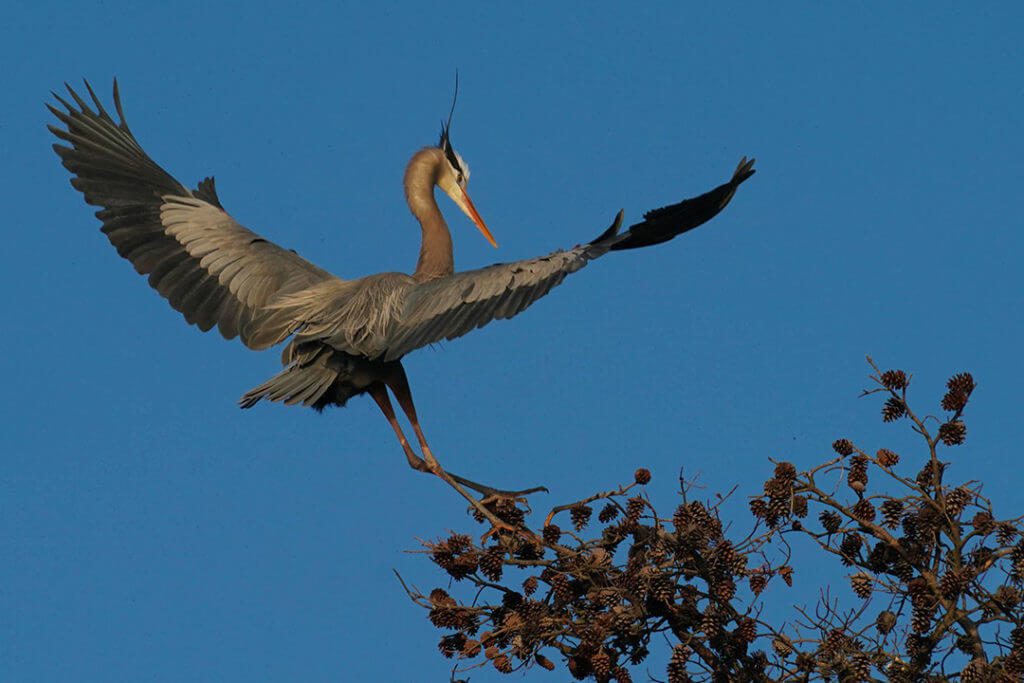
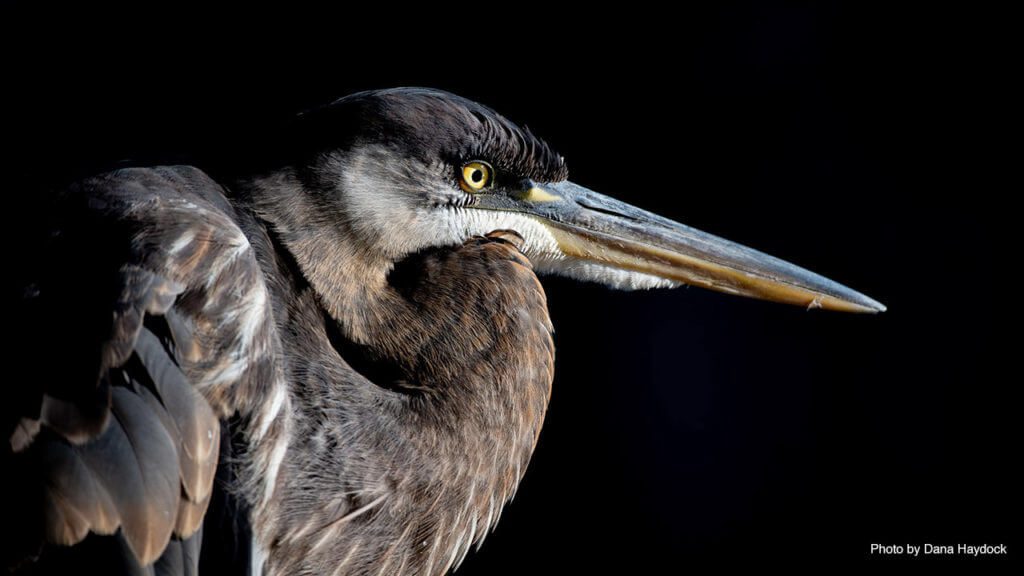
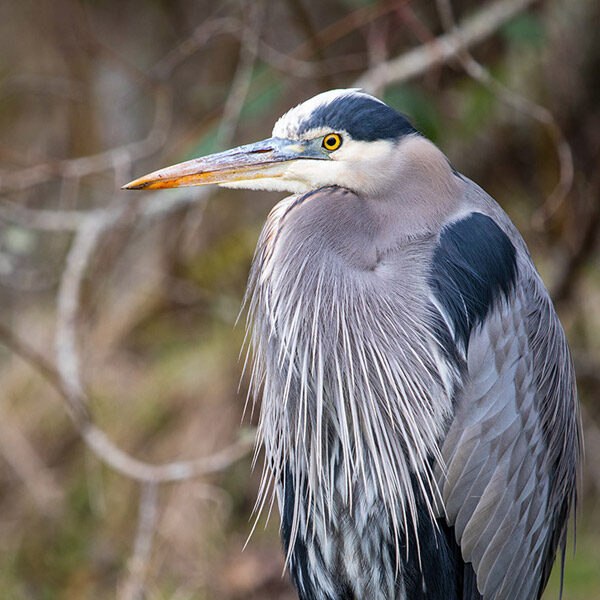
The great blue heron is one of North Carolina’s most iconic and striking bird species. From the coastal estuaries to inland rivers and wetlands, these elegant waders are a vital part of the state’s rich natural heritage and a symbol of healthy aquatic ecosystems. Standing nearly four feet tall with a wingspan of up to six feet, great blue herons are skilled hunters, feeding on fish, amphibians, and small mammals, and their slow, deliberate hunting style has long fascinated birdwatchers and naturalists alike.
Today, North Carolina supports a widespread and thriving population of great blue herons. While their numbers are generally stable, localized pressures—such as wetland loss, pollution, and human disturbance—can impact breeding and foraging areas.
The islands of Lake Norman are natural resources and sanctuaries for Great Blue Heron and for years, they’ve been favorite gathering spots, landmarks and places to view wildlife. However, development along rivers, reservoirs and adjacent floodplain forests have resulted in habitat loss and fragmentation.
The Solution
Heron Platforms, Shoreline and Vegetation Restoration
While some islands are well-protected from wind and waves, others are more exposed to natural and man-made elements that cause shorelines to cave, degrade and erode. To help conserve this ecologically significant and diminishing wildlife habitat, we’ve enhanced existing heron rookeries and established new ones on Heron Island, a protected colonial waterbird nesting area.
Watch the Heron Rookery on Lake Norman
What We're Doing
Outcomes & Impact
With a grant from Duke Energy’s Catawba Wateree Habitat Enhancement Program, and in partnership with Lake Norman Wildlife Conservationists, NCWF constructed nine heron platforms and installed a live camera on Heron Island. Additionally, there’s a shoreline and vegetation project underway to help preserve Heron Island from the wind, boat waves and storms that wreak havoc on the shores.
Restoring and stabilizing the island’s eroding main channel side involves creating a matted rock and shoreline using 300 tons of material and woody vegetation. The addition of native plants, such as buttonbush and silky dogwood, will provide brood and forage habitat as well as wildlife food and cover.
Explore More
- NC Wildlife Federation works to preserve Lake Norman island for roosting herons
- Saving Heron Island: Project to protect largest nesting area on Lake Norman
- Gregarious birds flock together at favorite island in Cornelius
- Efforts underway to save Heron Island on Lake Norman
- NCWF Kicks Off Stabilization Project for Lake Norman Herons
Recent News
Upcoming Events
How You Can Help
Make an investment in protecting, conserving and restoring North Carolina wildlife and habitat with a tax-deductible donation to NCWF.
Sign up for Action Alerts to receive alerts about conservation policy or action you can take to advocate for wildlife, marine fisheries, and habitat in North Carolina.
Join the Cause and Make an Impact
Help NCWF preserve wildlife and habitat for our children and future generations. Learn More.