

Charlotte Says Yes to Wildlife-Friendly Gardens
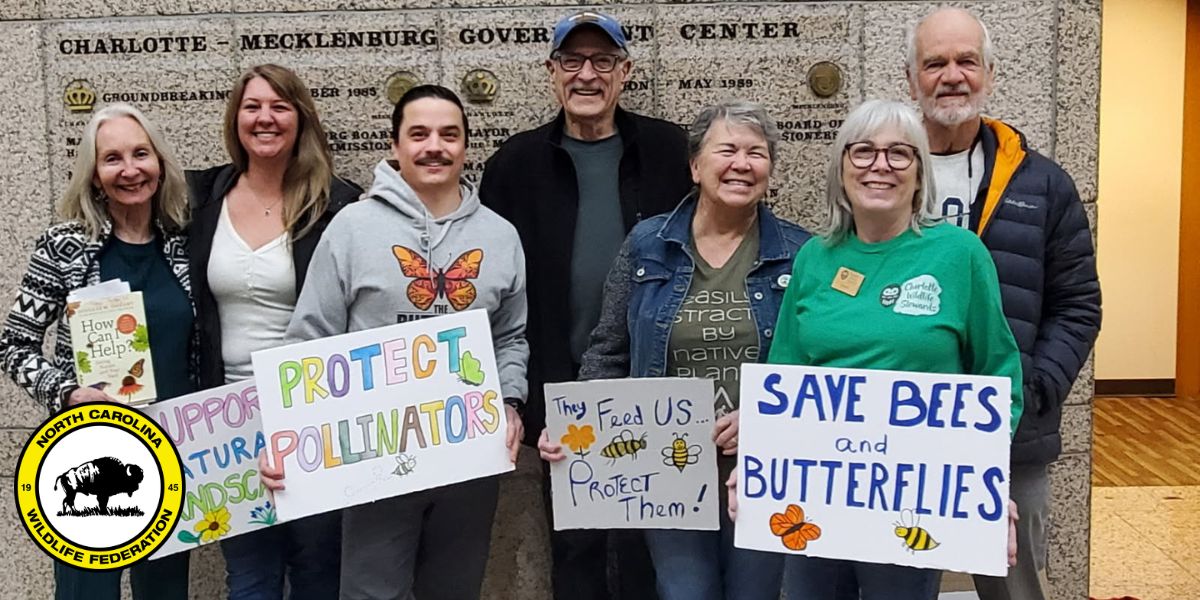
The Charlotte City Council has unanimously approved a change to local vegetation rules that makes it easier for residents to garden for wildlife.
This week’s vote marks an important step forward for urban conservation. The amendment allows taller plant growth for naturalistic and wildlife-supporting gardens – removing a longstanding barrier for residents who intentionally plant native species to benefit birds, pollinators, and other wildlife.
What Changed?
Until now, Charlotte’s vegetation ordinance limited plant height to 12 inches. While that standard works for traditional turfgrass lawns, it poses challenges for homeowners growing native plants – many of which naturally grow taller and provide essential habitat and food for wildlife.
The updated policy creates an exemption for properly maintained pollinator habitats and naturalistic landscapes that are registered with the city. These gardens are now officially protected from vegetation height violations.
In short: if you’re gardening for wildlife and maintaining your space responsibly, you’re covered.
Why It Matters
Native plants play a critical role in supporting local ecosystems. They provide food and shelter for birds, bees, butterflies, and other pollinators. They also improve soil health, reduce stormwater runoff, and strengthen the resilience of our urban environment.
By adopting this exemption, Charlotte is aligning its municipal code with its broader commitments to sustainability, biodiversity, and community health. The change offers clarity for residents, reduces the risk of costly code violations, and encourages land stewardship practices that strengthen urban wildlife habitat.
Community Advocacy Made the Difference
This victory didn’t happen overnight.
The ordinance change follows months of advocacy led by the NCWF Charlotte Wildlife Stewards Chapter. The chapter brought together a coalition of local organizations and residents dedicated to protecting urban nature.
Coalition members engaged city leaders through public meetings, written comments, emails, and phone calls – sharing both the environmental benefits of native plant gardens and the real challenges posed by the previous ordinance.
Their collective effort helped ensure that Charlotte’s policies reflect the values of its residents.
A Model for Other Cities
Charlotte’s decision builds on growing momentum across the state to recognize the important role that private yards and neighborhoods play in supporting native species and creating healthier communities.
NCWF sees this policy change as a meaningful model for other municipalities across North Carolina that are working to balance neighborhood standards with environmental responsibility.
As more communities look for ways to support biodiversity and climate resilience, Charlotte’s wildlife-friendly garden ordinance shows that practical, community-driven solutions are possible.
Want to learn more? Check out Charlotte’s pollinator habitat and naturalistic landscape registration process.