A Dangerous Shift: Redefining “Harm” Puts Endangered Wildlife at Risk
In the early 1970s, conservation in the United States was falling short. Recognizing the urgency, President Richard Nixon called on Congress to take action. The result was the Endangered Species Act – often described as one of the most effective conservation laws in the world.
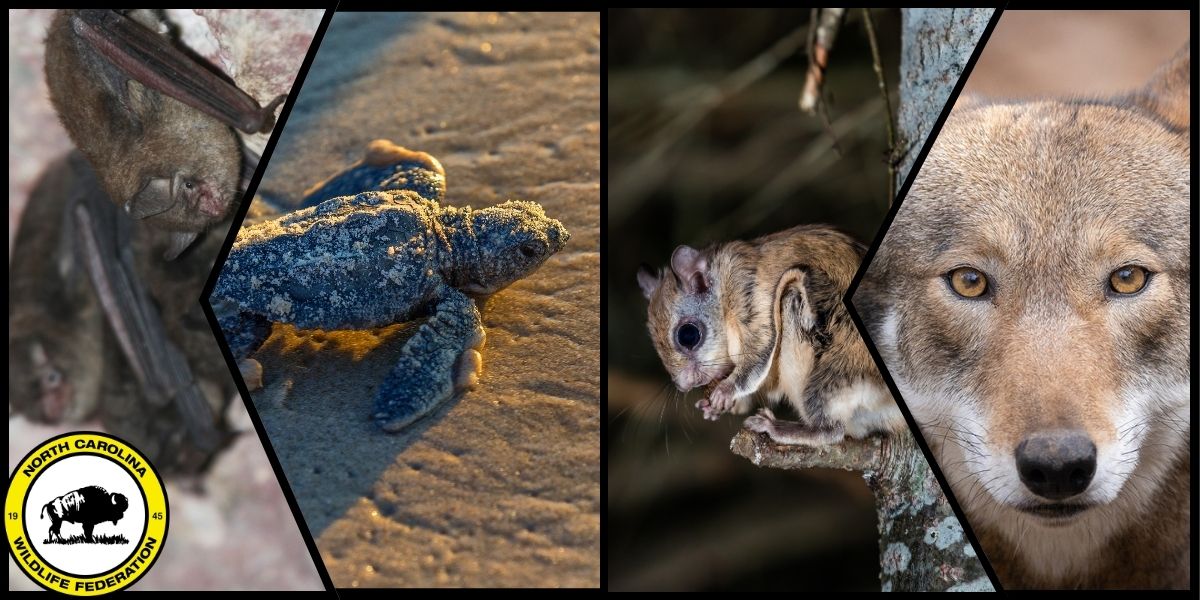
For more than 50 years, this landmark law has helped prevent extinction and recover species across the country. From the return of the bald eagle to the recovery of the peregrine falcon and southern sea otter, the Act has proven that strong protections for wildlife can work. Here in North Carolina, it has supported efforts like Red Wolf reintroduction at Alligator River National Wildlife Refuge, Atlantic sturgeon research and spawning habitat protection, protecting old-growth forest habitat for Carolina northern flying squirrels, and partnerships such as the Safe Harbor Agreement at Pinehurst Resort.
At its core, the Endangered Species Act recognizes a simple truth: wildlife cannot survive without healthy habitat.
What Wildlife Needs to Survive
Just like people, wildlife depend on basic essentials: food, water, shelter, and places to raise their young.
Remove any one of these, and survival becomes difficult. Remove all of them, and survival becomes impossible.
That’s why federal agencies have long defined “harm” to include not just direct injury to animals, but also the destruction or degradation of the habitats they depend on. Courts, including the U.S. Supreme Court, have upheld this interpretation, affirming that habitat loss can – and does – kill wildlife.
A Dangerous Shift
Recently, the U.S. Fish and Wildlife Service and National Marine Fisheries Service under the Trump Administration proposed rescinding this long-standing definition of “harm.” Their new, narrower interpretation would exclude habitat destruction from consideration.
In practical terms, that’s like saying tearing down someone’s home or eliminating their access to food doesn’t harm them.
It defies both common sense and decades of science.
Habitat Loss Is the Leading Cause of Extinction
When Congress passed the Endangered Species Act, it did so with a clear understanding: habitat destruction is a primary driver of species extinction. That understanding hasn’t changed.
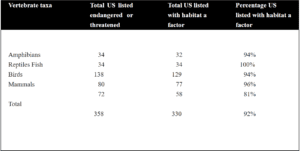
Federal data show that habitat loss or modification is a factor in the decline or recovery of the overwhelming majority of listed vertebrate species (mammals, birds, fish, amphibians) in the United States – 330, or 92% of 358 species analyzed. Hundreds of invertebrates, from freshwater mussels to pollinators, face the same threat.
Simply put, if we fail to protect habitat, we fail to protect wildlife.
North Carolina is home to an incredible diversity of species, many of which rely on intact ecosystems – from coastal marshes to longleaf pine forests. Efforts to restore and conserve habitat don’t just help endangered species – they benefit game species, improve water quality, and strengthen our outdoor economy.
Conservation works best when it is supported by the community, reduces direct threats, and is guided by science. Protecting habitat for endangered species in North Carolina meets all of these criteria.
Standing Up for Science and Common Sense
North Carolina Wildlife Federation opposes weakening the definition of “harm”. Doing so would undermine the very foundation of the Endangered Species Act, jeopardize decades of conservation progress, and put hundreds of wildlife at even greater risk of extinction.
Protecting wildlife means protecting the places they live.
And if we lose those places, we risk losing the species themselves.
You can make a difference, be the voice for listed wildlife, and show your support for protecting their habitat from harm by:
- Learning more about how species are listed under the Endangered Species Act
- Opposing proposals that redefine “harm” to exclude habitat destruction
- Donating to NCWF’s Endangered Species Day campaign
- Gardening for wildlife by planting native plants and Butterfly Highway seeds in your yard, patio planter, or community park
Written by:

– Bates Whitaker, NCWF Creative Content Manager