
NCWF In The Field – February, 2026
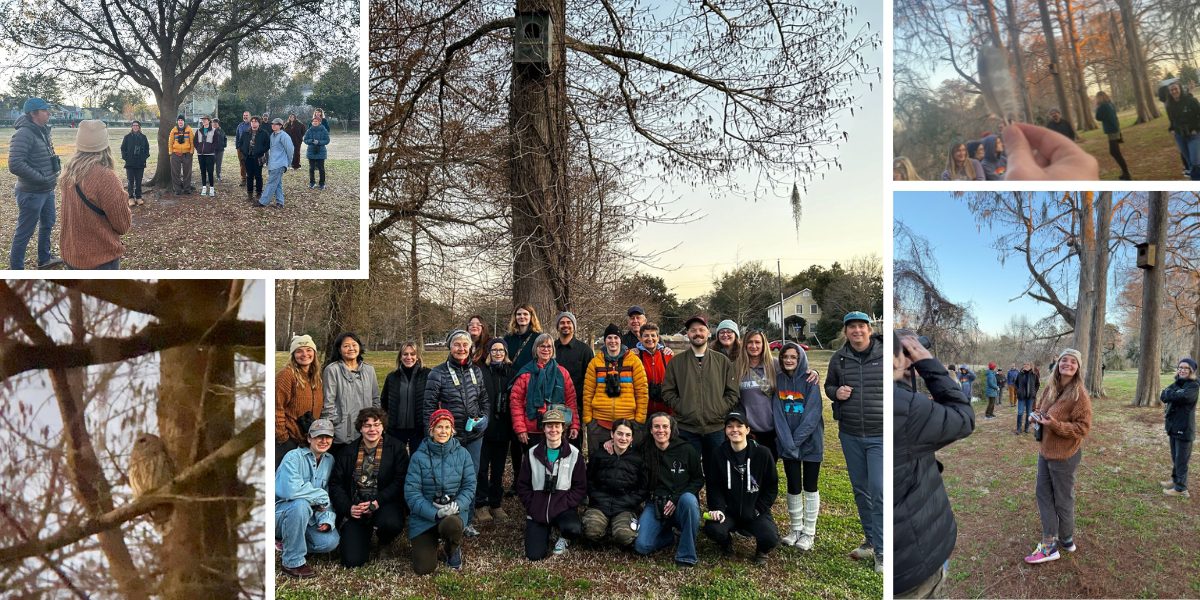
North Carolina Wildlife Federation staff and Community Wildlife Chapter volunteers jumped into February with a full head of steam. They connected people to the outdoors through a variety of meaningful wildlife and habitat opportunities, including native tree planting, hunter education, pollinator site prep, waterfowl tours, chapter building, streambank restoration, and much more! In February, 1018 people were given the opportunity to connect with nature through one of NCWF’s 46 events! This month from the mountains to the sea, volunteers were able to get outside and restore habitat. We removed 1 pound of trash and planted 5,440 native plants. Native plant species included spicebush, American hazelnut, red chokeberry, hornbeam, elderberry, silky dogwood, swamp white oak, swamp sunflower, yaupon holly, and more! Kids and adults across the state were given meaningful opportunities to go outside, connect with nature, and learn about wildlife and habitat. Big thanks to our NCWF Community Wildlife Chapters and amazing conservation partners for making this work possible.
Explore our Events Calendar to discover where NCWF and our Community Wildlife Chapters are hosting in-person and virtual events near you. Check out a few highlights below from our conservation outreach team.
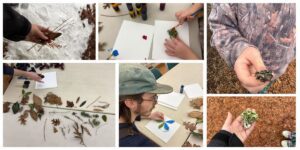
February 4, Leaf Printing with Pocosin Arts: NCWF and Pocosin Lakes National Wildlife Refuge partnered with Pocosin Arts School of Fine Craft to forage for leaves of common Tyrrell County trees. A rare treat, participants foraged through a few inches of remnant snow to find a variety of oak leaves, bald cypress needles, magnolia leaves, and pine needles to create leaf prints using a roller and paint.
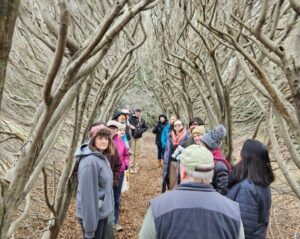
February 5, Bartlett Arboretum Tour: NCWF Habitat and Wildlife Keepers Chapter took native plant enthusiasts to Bartlett Tree Experts for a guided tour of their arboretum. Participants viewed their extensive collection of plant and tree species and explored the various wildlife habitats and natural areas throughout the arboretum.
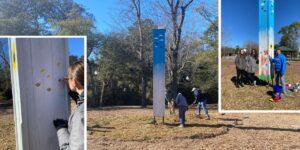
February 7, Maides Park Workday: Wilmington’s habitat stewards and community volunteers helped prepare the pollinator garden site for spring planting projects and painted the chimney swift tower at Maides Park. Chimney swifts may use the tower for nesting this year, supporting SGCN in New Hanover county.
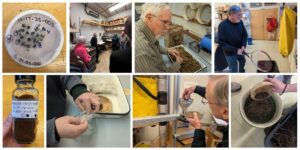
February 7, SWC and TCC Seed Cleaning Workshop: NCWF South Wake Conservationists and Tri-County Conservationists Chapters joined forces for a seed cleaning workshop at the North Carolina Botanical Garden (NCBG) in Chapel Hill! Participants learned about the conservation seed growing efforts at NCBG, took a tour of the garden’s seed bank and seed cleaning equipment, and got their hands in some native seeds. Volunteers helped clean rattlesnake master, bluestem, golden aster, hairy bush clover, and anglepod milkvine seeds using seed blowers, bags, and a tennis racket (of all things!) These seeds will be used for future habitat restoration projects – we can’t wait to see them flourish!
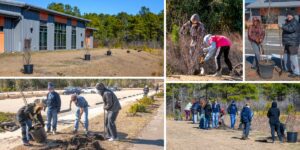
February 7, Tree Planting at GLOW: NCWF and the Alliance for Cape Fear Trees planted 65 trees of 9 different species around the GLOW Academy campus in Wilmington. Over 50 volunteers made quick work of planting, increasing tree canopy, decreasing the urban heat island effect, and contributing to higher test scores and better mental health for students on campus.
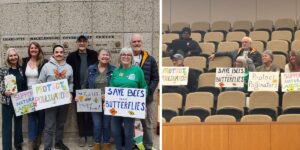
February 9, Charlotte City Council: NCWF’s Alden Picard and members of a local Charlotte coalition attended the city council business meeting to support a proposed amendment to the City’s overgrown vegetation ordinance. After months of advocacy and engagement through emails, phone calls, and public comment, Council unanimously approved a change to the ordinance allowing naturalistic landscapes and pollinator habitats. Naturalistic landscapes and pollinator habitats registered with the city are exempt from height restrictions!
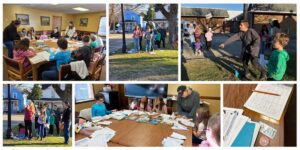
February 10, ecoEXPLORE Ornithology Check-In: Wing It!: ecoEXPLORErs and their families joined NCWF, Pocosin Lakes National Wildlife Refuge, and Tyrrell County Library for an ornithology season check-in event. Participants learned about the four main types of flying bird wings and modeled paper airplanes in likeness of the different wing types to test how far and how fast the different wing types traveled.
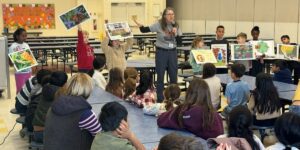
February 10, Monarch’s at Marvin Elementary: Kristyna Culp, NCWF Habitat Builders Chapter, met with the second-grade class at Marvin Elementary. The topic? Monarch butterflies. They discussed migration, metamorphosis, and milkweed. Students explored the decline in the monarch population and discussed actions they can take to help. This program was created as part of the Marvin Mayor’s Monarch pledge.
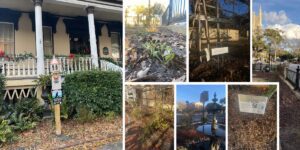
February 11, Meet the Gardeners: Volunteers braved the rain at Latimer House in downtown Wilmington to plant swamp sunflowers and remove boxwood and azaleas as part of a continuing effort to replace all landscaping with native plants at this historic site which is both a Certified Wildlife Habitat and Butterfly Highway Pitstop.
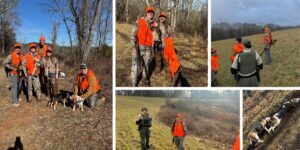
February 11, Sandy Mush Rabbit Hunt: North Carolina Wildlife Federation and National Wildlife Federation’s Artemis Sportswomen hosted a free rabbit hunt on Sandy Mush Game Lands in Western North Carolina. The hunt was led by Artemis Ambassadors Lisa Fierman and Mary Lynn along with Mary’s AKC registered beagles! Stay tuned for more hunts in 2026. Open to hunters of all skill levels and beginners are welcome.
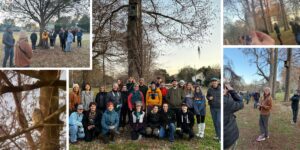
February 13, Owl-entines Day: It was the night before Valentine’s Day and at Burnt Mill Creek, not a single owl hoo-cooks-for-you’d, not even a squeak. NCWF and Cape Fear Audubon went for a sunset owl prowl, checking owl boxes, finding feathers, and scouring the branches for the owls’ stealthy shadows. Along the way, there were Northern cardinals, yellow-rumped warblers, boat-tailed grackles, red-winged blackbirds, American robins, white-throated sparrows, ruby-crowned kinglets, tufted titmice, Carolina chickadees, American crows, a great blue heron, and an anhinga. As participants shuffled back to their cars in the dim light of dusk, a barred owl watched stoically from a bald cypress.
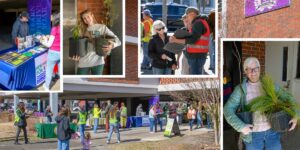
February 14, Wilmington Tree Giveaway: The Alliance for Cape Fear Trees gave away over 1,000 trees at D.C. Virgo with NCWF and New Hanover County Soil and Water. Species included sourwood, live oak, paw paw, black gum, Eastern redbud, sweetbay magnolia, bald cypress, longleaf pine, American hornbeam, persimmon, sparkleberry, and overcup oak. Species were selected both to increase tree canopy in urban heat islands and to reduce food insecurity. Residents took home native trees and native seeds, meeting with tree stewards, habitat stewards, and local experts to advise on planting, placement, and backyard habitat tips.
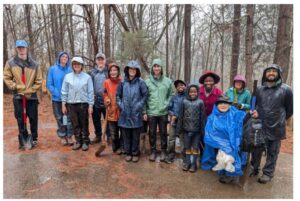
February 15, TCC Brumley Oases Workday: NCWF Tri-County Conservationists Chapter held a native plant oases workday at Brumley Preserve in Chapel Hill. Volunteers turned out, despite the rainy weather, to remove invasive plants, reinforce fencing, and plant native tree saplings in native plant oases in the preserve. Thanks to the helping hands of countless volunteers, over 400 native tree saplings have been restored in Brumley so far!
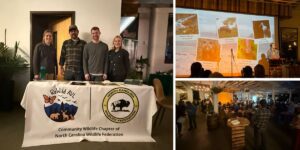
February 19, We Love our Public Lands: ReWild AVL partnered with an amazing network of conservation organizations in Western North Carolina in support of wildlife and public lands. The event was held at the Mule in Asheville and brought together over 100 people with a passion for conservation in the Mountains and beyond. Poets, storytellers, and photographers took the stage to inspire a connection to public lands through their artwork. ReWild AVL was honored to be a part of this event and meet so many passionate people eager to step up and take action!
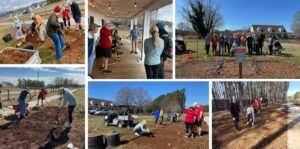
February 20, Butterfly Highway Site Prep: NCWF is partnering with Daniel Stowe Conservancy to conduct seed trials of the Butterfly Highway native seed mix. Community volunteers gathered to help with phase 2 of our seed trials. Volunteers prepared seed plots by cutting sod, building borders, and sowing seeds in 6 new trial plots. We will track these plots over time and document seed growth as well as successes and challenges with creating pollinator habitat.
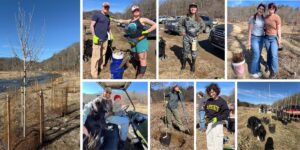
February 20, Watauga River Planting: High Country Wild in partnership with MountainTrue hosted a livestake and tree planting workday at the 194 paddle access along the Watauga River. With the help of over 20 volunteers, including students from Appalachian State University, we were able to plant over 5,000 native plants! Species included silky willow, elderberry, white oak, sycamore, Carolina silverbell, and more. Hurricane Helene wiped out vegetation along this stretch of the river. Installing native plants along the riparian corridor will help control erosion, increase water quality, outcompete invasive plants, and provide critical habitat for wildlife. This particular stretch of river also serves as a popular spot for paddlers and anglers. This planting effort ensures that both wildlife and people are able to thrive for generations to come. Big thanks to National Wildlife Federation’s Trees for Wildlife Program for making this workday possible!
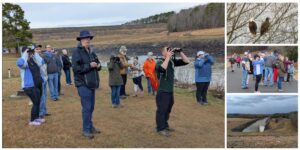
February 21, SWC Eagle Watch: NCWF South Wake Conservationists Chapter hosted an eagle watch at Jordan Lake Dam. Resident expert birder, Jeremy Bock, shared insights into the behavior and resurgence of these majestic raptors. He also set up his spotting scope, allowing everyone to get an intimate look at eagles from a safe distance. The eagles may have drawn people out, but everyone stayed for the show put on by the Haw River ecosystem! Sightings of great blue herons, double-crested cormorants, black and turkey vultures, osprey, pied-billed grebes, bufflehead ducks, and beaver topped off a very successful morning.
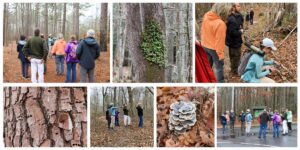
February 21, Educational Bird Walk: NCWF Wildlife Habitat Stewards of Northeastern NC Chapter hosted an educational bird walk at Merchants Millpond State Park! Participants identified 25 species of birds, including American wigeons, a yellow-bellied sapsucker, and belted kingfishers. The group also enjoyed identifying several native plant species along the way which help support wildlife habitat. Huge thanks to the walk’s leader, Skadi Kylander, for leading folks on an engaging morning exploring the diversity of birds along the park’s Coleman Trail!
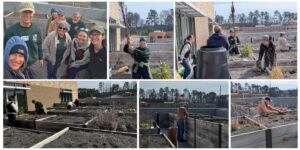
February 25, SWC Eco Kids Garden Cleanup: NCWF South Wake Conservationists held a garden cleanup workday at Southeast Raleigh Elementary School. This workday served as the starting point for a new partnership between SWC and SE Raleigh Elementary to restore raised rooftop garden beds with native plants and engage kids in hands-on native pollinator gardening. Volunteers help weed the raised bed and inventory the plants that remained. Now the work of planning the combination herb and pollinator garden begins as we think about how to engage students in the joys of getting dirty and maintaining a pollinator garden.
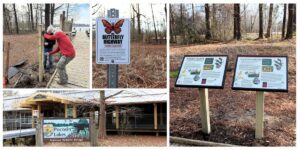
February 25, Pollinator Garden Panel Installation: NCWF Wildlife Habitat Stewards of Northeastern NC Chapter volunteers helped install two pollinator panels at the Pocosin Lakes NWR visitor center’s educational pollinator garden. These panels are translated in both English and Spanish and help provide education on the importance of pollinators and native plants. We can’t wait to watch the garden wake up this spring and continue observing its benefits for wildlife throughout all the seasons!
Written by:
– Page Turner, Conservation Coordinator
– Laura Frazier, Refuge Conservation Coordinator
– Alden Picard, Conservation Coordinator
– Kara Solomon, Conservation Coordinator
– Luke Bennett, Conservation Coordinator
– Mary Bures, VP of Outdoor Engagement