

Trees for Wildlife: Planting Roots in Western North Carolina
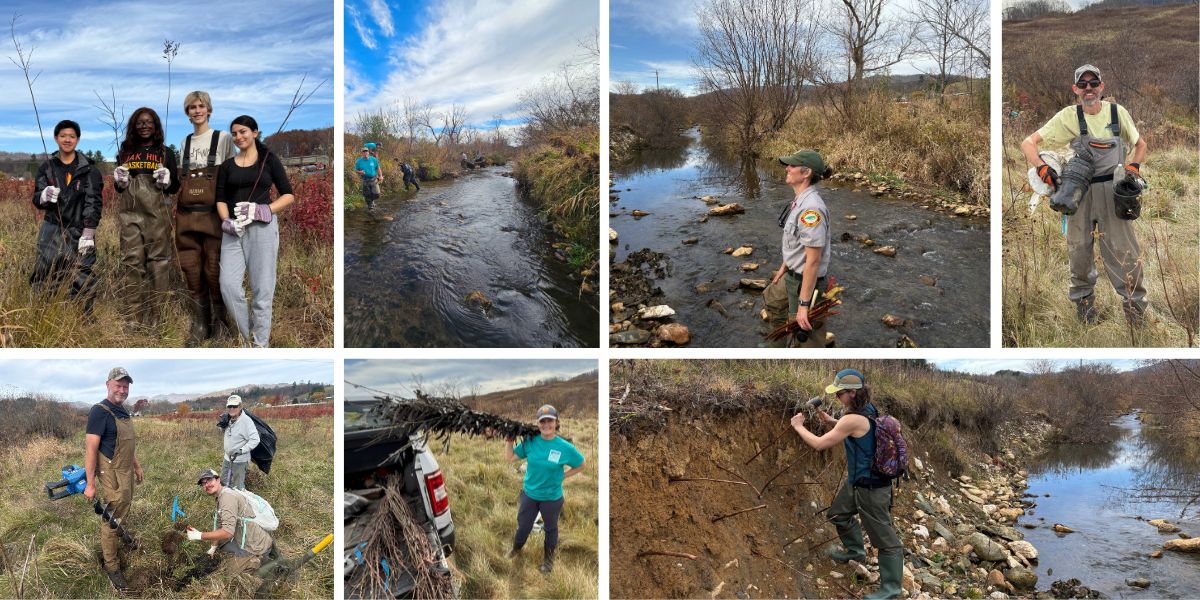
Valle Crucis Community Park is nestled along the Watauga River in the High Country of the North Carolina mountains. The park’s 28 acres feature riparian forest, wetland, and meadow habitat supporting a mosaic of wildlife. From willow flycatchers to monarch butterflies, minks, snapping turtles and everything in between, this park is full of life. Within the Watauga River Basin, the park is defined by clear mountain rivers and streams, supporting many species like the green floater, banded sculpin, eastern hellbender, common mudpuppy, and native brook trout, that are all in need of habitat conservation efforts.
The park also serves as a vital staple in the community and a popular gathering place for locals to play music, share a picnic, flyfish, bird watch, and enjoy the solitude that only nature can provide.
Following Tropical Storm Helene in September of 2024, the entire mountain region of North Carolina, including Valle Crucis Community Park, was devastated by flooding, with torrents of water and debris, uprooted trees, and riverbanks scraped bare of vegetation. More than 100 human lives were lost and upwards of $50 billion in damage was done to the area. In response, NCWF brought community members together to help heal the landscape as well as the hearts of the people who make the High Country great.
NCWF’s High Country Wild Chapter, in partnership with MountainTrue and the High Country Chapter of Trout Unlimited, planted more than 5,000 native trees at Valle Crucis Community Park in January of 2026. The event was a success with the help of over thirty community volunteers of all ages planting together while laughing, sweating, and sharing random fun wildlife facts. This workday is a snapshot of the journey this park has taken toward recovery with thousands of hours of community dedication and involvement poured into restoring the park. One tree at a time.
In addition to the work at Valle Crucis Community Park, NCWF helped organize a multitude of other habitat restoration workdays to assist with recovery efforts in western North Carolina. NCWF was able to complete all of our vital tree planting work this spring due to the dedication of community members that have come together in recent years to form local NCWF Community Wildlife Chapters and our conservation partners that provided funding to make these events possible; the Pigeon River Fund of The Community Foundation of Western North Carolina and National Wildlife Federation’s Trees For Wildlife™ Program.
In 2024, NCWF further expanded its conservation reach in western North Carolina through its grassroots Community Wildlife Chapters, including the establishment of four new chapters: High Country Wild, Swannanoa Valley WILD!, Smoky Mountains Wilderness Watch, and ReWild AVL (Asheville). These volunteer-led chapters are grounded in the understanding that supporting wildlife begins with protecting, conserving, and restoring habitat.
One way to restore habitat is by planting trees. Native trees are acclimated to the region and help native wildlife through interdependent and mutually beneficial relationships. Wildlife often rely on specific native trees for food and shelter to survive and reproduce. In addition to providing habitat for wildlife, the roots of native trees reduce erosion, keeping soil in place in riparian areas and helping to improve water quality by intercepting pollutants and reducing sedimentation in streams and rivers. Planting native trees in bare areas is also effective at reducing the spread of invasive plant species. While trees along the water’s edge provide shade, resulting in cooler temperatures and more favorable conditions for aquatic wildlife.
With numerous tree plantings behind us, this is a great time to reflect on what’s been accomplished in the past few months. We’ve planted thousands of native trees, including a variety of species like American sycamore, flowering dogwood, eastern redbud, Carolina hemlock, American beech, silky willow, Carolina silverbell, white oak, red maple, and more. Once established, these trees will support hundreds of species of birds, mammals, reptiles, amphibians, insects, and fish.
The highlights below are from a variety of planting events.
Mount Jefferson State Natural Area in November 2025: NCWF High Country Wild alongside New River Conservancy, Keep Ashe Beautiful, and State Parks hosted a volunteer planting day along Naked Creek in Ashe County. With support from environmental science students at Oak Hill Academy, we planted over 2,000 native trees and shrubs!
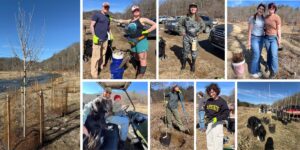
Highway 194 Watauga River Paddle Access Planting in February 2026: NCWF High Country Wild in partnership with MountainTrue with support from Watauga County, Blue Ridge Conservancy, Interface Environmental Engineering, and Blue Ridge Resource Conservation and Development Council. With the help of over twenty volunteers, including students from Appalachian State University, we were able to plant over 5,000 native trees and shrubs!
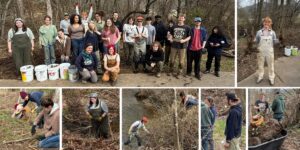
Swannanoa River Planting in February 2026: Swannanoa Valley WILD! partnered with Dr. John Wilson Community Garden and Warren Wilson College to plant nearly 1,000 native trees and shrubs along the Swannanoa River in Black Mountain.
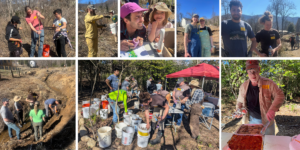
Fox Creek Workshop and Planting in February 2026: Swannanoa Valley Wild! In partnership with the Friends of Fox Creek Park and WNC Grows, hosted a planting in Swannanoa. Thirty volunteers spent the day planting over 1,000 native trees and shrubs along the creek!
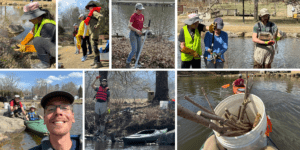
Lake Tomahawk Island Planting in March 2026: Swannanoa Valley WILD! in partnership with the Town of Black Mountain planted 200 native trees and shrubs along Lake Tomahawk’s island habitat.
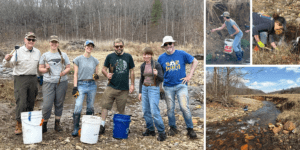
Bowditch Bottoms Planting in March 2026: NCWF alongside the Southern Appalachian Highlands Conservancy planted nearly 1,000 native trees and shrubs along Ayles Creek in Yancey County!
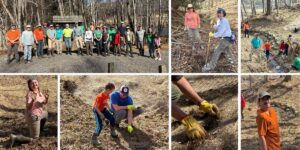
New River State Park Planting in March 2026: NCWF High Country Wild, New River Conservancy, Keep Ashe Beautiful, and New River State Park planted nearly 1,000 native trees and shrubs along a perennial stream feeding into the New River!
How you can Help
- Join a Community Wildlife Chapter
- Attend an upcoming volunteer opportunity
- Plant native trees and perennial pollinator plants in your backyard
- Stay up to date on opportunities to take action for wildlife and habitat in North Carolina.
Written by:
– Luke Bennett, Conservation Coordinator
– Dr. Liz Rutledge, NCWF VP of Wildlife Resources