Conservation, Connections and Competition: How Envirothon Inspires North Carolina’s Next Generation of Conservation Leaders
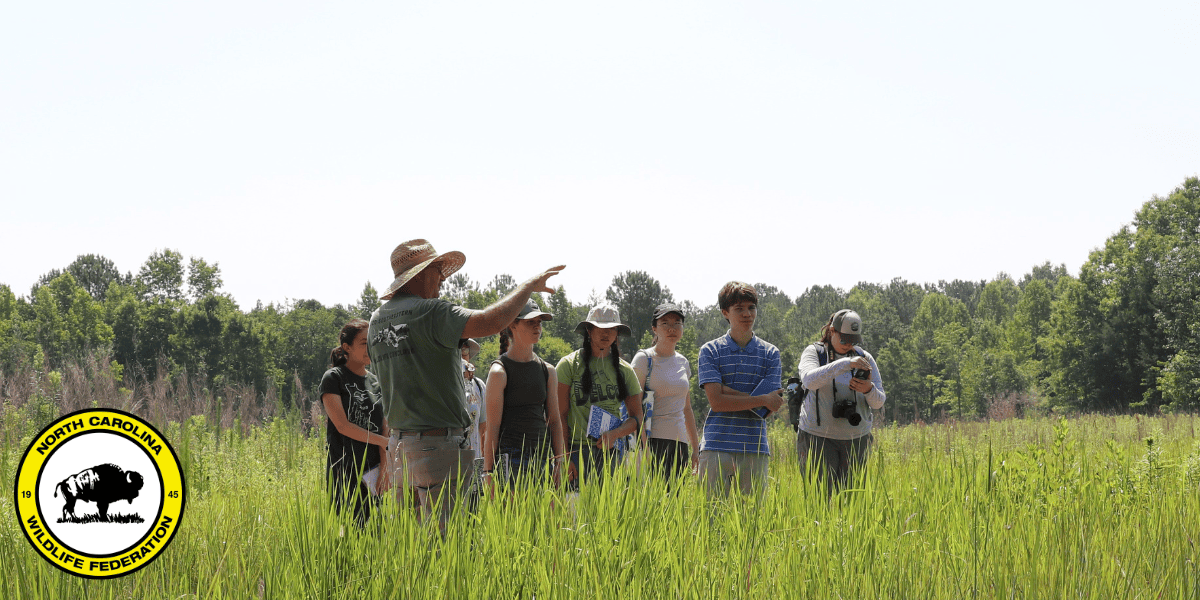
When six students from Enloe Magnet High School stepped onto a privately owned property in Stanly County this summer, they weren’t simply preparing for a competition – they were experiencing the realities of land management firsthand.
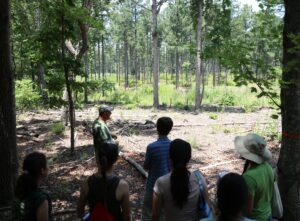
On July 2, North Carolina Wildlife Federation Conservation Lands Manager John Isenhour led the students through a working landscape where wildlife habitat is actively managed. As the 2026 North Carolina Envirothon champions, the team had earned the opportunity to represent the state at the National Conservation Foundation International Envirothon in Starkville, Mississippi. Their field training focused on one of the competition’s most important topics: habitat management on private lands.
Despite temperatures nearing 100 degrees, the students explored prescribed burns, commercial timber harvests, forest stand improvement, and native herbaceous plantings while discussing how each management practice influences wildlife habitat. Just as importantly, they gained a deeper understanding of the challenges private landowners face while balancing conservation goals with the realities of managing working lands.
 That hands-on experience paid off. Weeks later, the Enloe team earned second place at the international Envirothon competition, posting the highest scores in both Wildlife and Current Environmental Issues. The team also received more than $13,000 in scholarships. Their longtime advisor, Chad Ogren, who has coached Enloe’s Envirothon team for 28 years, was inducted into the National Conservation Foundation Envirothon Hall of Fame with the prestigious Wave of the Future Award.
The team’s success highlights the value of experiential learning – and the many North Carolina Wildlife Federation members who help make those experiences possible. Although the North Carolina Association of Soil and Water Conservation Districts coordinates the statewide program, NCWF members contribute in countless ways by mentoring teams, teaching resource topics, volunteering at competitions, and creating opportunities for students to apply conservation knowledge in the field.
More Than a Competition
For thousands of students across North Carolina, Envirothon serves as an introduction to the fields of wildlife and land conservation. While the annual competition provides motivation, many educators say the real impact happens long before contest day.
“The NC Envirothon is a great way to get students outdoors learning about our natural resources,” said Kelli Isenhour, Education Coordinator with the Rowan County Soil and Water Conservation District. “The competition is just an end goal. For many teams, it’s really about the journey – the time they spend in creeks looking for salamanders, on trails identifying trees, and in fields studying farmers’ best management practices. The knowledge they gain and the experiences they have through the Envirothon help shape our future conservationists.”
Education That Creates Conservation Leaders
 Abby Weinshenker, Resource Education Coordinator with the Cabarrus Soil and Water Conservation District, has spent years mentoring local Envirothon teams while fostering environmental literacy among young people. Earlier this year, she was recognized as Environmental Educator of the Year during the 2026 Governor’s Conservation Achievement Awards.
“Envirothon is a great way to introduce students to the world of natural resources by giving them hands-on experiences with wildlife, soils, forestry, aquatics, current environmental issues, and by allowing them to meet the professionals who care for these resources every day,” Weinshenker said.
Those connections are already happening across the state. In Union County Soil and Water Conservation District Education Specialist Breanna Walker has helped build partnerships that allow students to make tangible contributions to conservation before they ever graduate.
This year, NCWF Union County Wildlife Chapter partnered with Envirothon students, Union County Parks and Recreation, and Catawba Lands Conservancy on a service-learning project at Cane Creek Park focused on protecting habitat for the federally endangered Schweinitz’s sunflower.
Middle school students surveyed the site for invasive species, identified problem areas, and mapped their locations. Using that information, volunteers removed invasive honeysuckle, privet, Japanese stiltgrass, and even a mature mimosa tree.
“The survey conducted by the students helped spearhead this workday and provided crucial information to ensure the protection of the sunflowers,” Walker said.
The project demonstrates how classroom learning can directly benefit North Carolina’s landscapes while giving students ownership of meaningful conservation work.
Building the Next Generation of Conservationists
For Kristin Owens-White, Environmental Connections teacher at South Stanly Middle School and president of NCWF Uwharrie Wildlife Stewards chapter, Envirothon is also about relationships.
Having coached teams for the past five years, she sees tremendous opportunities for local wildlife chapters to engage with students.
“Chapters can play a valuable role in preparing students for the Envirothon while fostering the next generation of conservation leaders,” Owens-White said. “By partnering with schools, chapter members can provide hands-on learning experiences that bring Envirothon topics to life. Building relationships with students and providing authentic outdoor learning opportunities can inspire confidence, curiosity, and a lifelong appreciation for North Carolina’s natural resources.”
Learning Beyond the Competition
While the competition itself was a highlight of the week, the Enloe team also experienced a meaningful cultural exchange that underscored the broader connections between conservation, history, and community.
During their time in Mississippi, the Enloe team met with the Indigenous Student Association of Mississippi and members of the Mississippi Band of Choctaw. The students presented tobacco gifted by the Eastern Band of Cherokee Indians (EBCI) as a symbol of respect and friendship before learning the traditional game of stickball and receiving handmade rabbit hunting sticks and beadwork.
The exchange offered students an opportunity to learn how Indigenous communities have stewarded natural resources for generations and reinforced that conservation is deeply rooted in cultural traditions as well as science. For students preparing to become tomorrow’s conservation leaders, experiences like these broaden their understanding that protecting wildlife and natural ecosystems also means respecting the people whose connections to those lands span centuries.
From field training on North Carolina’s private lands to cultural exchanges and international competition, the Enloe team’s journey demonstrates the lasting impact of hands-on conservation education. Through the dedication of educators, mentors, and volunteers across the state, Envirothon continues to inspire the next generation of conservation leaders – equipping students with the knowledge, experiences, and connections they’ll carry into the future of North Carolina’s natural resources.
To learn more about Envirothon in North Carolina or to get involved at the state or local level visit the NC Envirothon website.
Written by:

– Bates Whitaker, NCWF Creative Content Manager
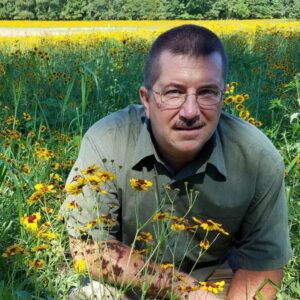
– John Isenhour, NCWF Conservation Lands Manager