
Hunters, Conservation, and the Making of America’s Wildlife Legacy
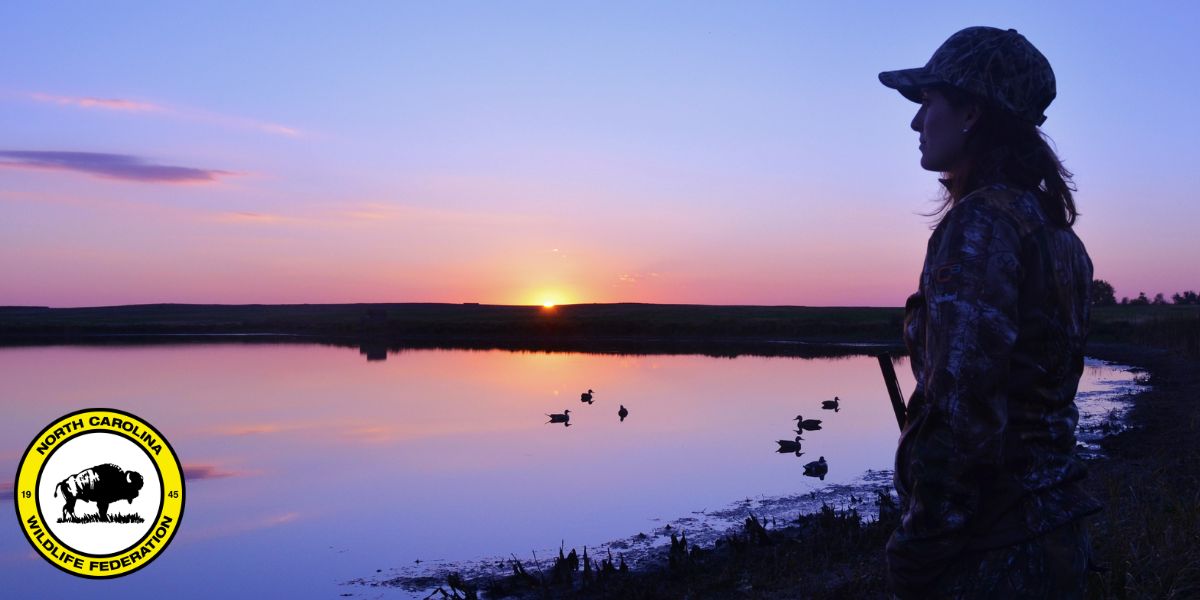
When most people think of conservation, they picture national parks, wildlife refuges, endangered species recovery programs, or maybe habitat restoration projects. While all of these facets are essential to wildlife conservation and do fall under the broad umbrella, what people don’t realize is that many of the foundations of modern wildlife conservation – as well as bedrock conservation laws – were built by hunters and anglers who saw wildlife populations in decline and decided that something had to change.
Long before conservation became what we know it as today, hunters and anglers were among the first Americans sounding the alarm about disappearing wildlife populations. Spending a disproportionate time out in the field and connected to the landscape, they witnessed firsthand the consequences of largely unregulated market hunting, habitat loss, and wildlife exploitation. Many of these sportsmen and women became leaders in a movement to protect the very resources they valued most.
Their efforts helped shape what would eventually become the North American Model of Wildlife Conservation – a uniquely American approach to wildlife stewardship that has restored countless species, protected millions of acres of habitat, generated a solid model for the managing renewable resources, and created one of the most successful conservation systems in the world.
When Wildlife Seemed Unlimited

White-tailed deer (Odocoileus virginianus) by Kim Link, NCWF Photo Contest Submission
For much of the eighteenth and nineteenth centuries, wildlife was often viewed as inexhaustible.
Vast flocks of waterfowl filled the skies. White-tailed deer, wild turkey, elk, and bison occupied huge portions of the continent. Wildlife was abundant enough that many Americans assumed it would always be there.
But by the late 1800s, that illusion was collapsing. Commercial market hunting supplied growing urban demand within a rapidly expanding economy for meat, hides, and feathers. Ever-lengthening railroads opened previously remote areas to exploitation. Habitat was converted to farms, towns, railways, roads, and industry. Wildlife populations that had once seemed limitless began to disappear.
Specifically, American bison were pushed to the brink of extinction. Deer vanished from large portions of their historic range. Wild turkey populations crashed across much of the country. Waterfowl numbers declined dramatically.
The crisis forced Americans to confront a reality that now seems obvious: wildlife resources are not limitless.
Conservation pioneer Aldo Leopold captured this lesson succinctly when he observed, “Only when the end of the supply is in sight do we discover that the thing is valuable” (Nash, Wilderness and the American Mind).
That realization helped launch a movement that would fundamentally change the way people viewed, interacted with, and conserved wildlife.
The Hunter-Conservationists
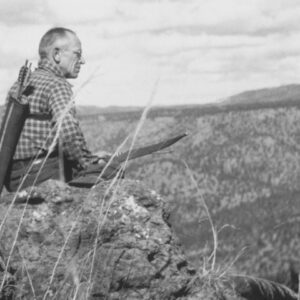
Aldo Leopold – Photo: USFWS
Some of the earliest and most influential conservation leaders were part of the sporting lifestyle and culture themselves.
Among them was Theodore Roosevelt, whose experiences hunting and exploring the American West shaped his belief that wildlife and natural resources required active stewardship. Roosevelt rejected the notion within a strict utilitarian philosophy that wildlife existed simply to be consumed. Instead, he argued that Americans had a responsibility to conserve wildlife for future generations.
In 1887, Roosevelt joined fellow hunter, naturalist, and writer George Bird Grinnell to establish the Boone and Crockett Club. The organization became one of the nation’s earliest and most influential conservation groups, advocating for wildlife laws, habitat protection, fair chase hunting, and science-based management of wildlife populations.
At a time when many wildlife populations were in rapid decline, these hunter-conservationists pushed for the revolutionary idea of sustainable use. Wildlife could be hunted as a renewable resource, but only if it was managed responsibly and conserved for the future.
Roosevelt carried that philosophy into the White House, where he dramatically expanded federal conservation efforts that were built upon even after his tenure. During his presidency, more than 230 million acres of public lands were placed under federal protection through national forests, wildlife refuges, and monuments.
Another towering figure in conservation history was Aldo Leopold. Widely regarded as the father of modern wildlife management, Leopold helped transform conservation from a movement into a profession grounded in science – particularly in the newly emerging field of ecology.
Notably, Leopold’s conservation work began in close partnership with hunters and anglers. As conservation historian Roderick Nash recounts, Leopold organized local hunters and anglers around Albuquerque, New Mexico, into game protection associations dedicated to wildlife conservation (Nash, Wilderness and the American Mind).
These efforts reflected a growing belief among sportsmen and women that wildlife populations required active stewardship rather than unlimited exploitation.
Building a Conservation System
The ideas championed by Roosevelt, Grinnell, Leopold, and countless hunters and anglers eventually evolved into what is now known as the North American Model of Wildlife Conservation.
At its core is a simple but powerful principle that wildlife belongs to everyone.
Under the Public Trust Doctrine, wildlife is not privately owned. Instead, wildlife is held in trust by national and state government for the benefit of both present and future generations. The legal foundation for this principle emerged through landmark court decisions such as Martin v. Waddell (1842) and Geer v. Connecticut (1896), which established wildlife as a public trust resource held for the benefit of all citizens (Decker, Riley, & Siemer, pp. 6–7).
This concept represented a dramatic departure from the wildlife management systems found in many parts of the world, where wildlife was often controlled by landowners or social elites.
The North American Model rests on several guiding principles:
- Wildlife is a public trust resource.
- Wildlife is allocated by law.
- Wildlife management is guided by science.
- Commercial markets for game wildlife are eliminated.
- Hunting and fishing are recognized as legitimate, regulated uses of wildlife (and in some cases used as a tool for addressing overabundant populations).
- Wildlife should be conserved for future generations.
These principles helped create one of the most successful wildlife recovery stories in history. Species that were once in severe decline – including white-tailed deer, wild turkey, wood ducks, elk, and many waterfowl populations – have recovered dramatically through habitat restoration, regulated harvest, species reintroduction, and science-based management.
Conservation Through Participation
 One of the most unique aspects of the North American Model is that conservation is directly tied to participation. Hunters and anglers do not simply benefit from wildlife conservation – they help fund it and manage it.
For generations, hunting and fishing license sales have provided critical support for state wildlife agencies. State wildlife agencies continue to receive a substantial portion of their operating budgets directly and indirectly from wildlife users through license fees and federally redistributed excise taxes on hunting and shooting equipment (Decker, Riley, & Siemer, p. 207).
The most significant milestone in this system came in 1937 with the passage of the Pittman-Robertson Wildlife Restoration Act, requested and supported by hunters and anglers, themselves.
The law created an excise tax on firearms and ammunition, later expanded to include archery equipment. Those funds are distributed to states to support wildlife restoration, habitat conservation, scientific research, public access, and hunter education programs.
The success of Pittman-Robertson inspired the Dingell-Johnson Sport Fish Restoration Act in 1950, which established a similar funding mechanism for fisheries conservation based on rods, reels, tackle, etc. Together, these programs have generated billions of dollars for wildlife conservation.
Another important example of conservation through participation is the Federal Duck Stamp Act. Established in 1934, the requirement for waterfowl hunters to purchase a duck stamp created a dedicated source of funding for wetland conservation and habitat acquisition within the National Wildlife Refuge System. Significantly, hunters have repeatedly supported this conservation tool and even lobbied for increases in the stamp’s price to ensure that conservation funding kept pace with rising land and habitat costs. Most recently, support from the hunting and conservation community helped raise the cost of the Federal Duck Stamp to its current $25, with the vast majority of proceeds directed toward habitat conservation that benefits waterfowl and countless other wildlife species.
This approach is often described as “user pays, public benefits.” Hunters and anglers contribute to conservation through licenses, permits, and excise taxes, while the resulting benefits extend far beyond the hunting and fishing communities. They also benefit nongame species – including Species of Greatest Conservation Need.
Conservation Beyond Public Lands
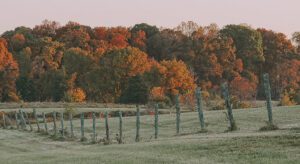
Photo: Erin PriceErwin, NCWF Photo Contest Submission
The conservation contributions of hunters and anglers extend well beyond funding. Much of North Carolina’s wildlife habitat exists on private lands, making private land stewardship one of the most important conservation tools available for game and nongame species alike.
Nearly a century ago, Aldo Leopold recognized this reality. As cited by Douglas Tallamy in Nature’s Best Hope, Leopold argued that conservation ultimately depends on “rewarding the private landowner who conserves the public interest.”
That philosophy remains visible across North Carolina and beyond today. Many hunters actively manage private lands for wildlife by conducting prescribed burns, restoring wetlands, planting native vegetation, managing forests, controlling invasive species, and creating habitat for wildlife.
While these efforts are often intended to improve habitat for deer, turkey, quail, or waterfowl, the benefits support all wildlife.
Songbirds, pollinators, amphibians, reptiles, and countless other species who often rely on the same sources of food, water, shelter, and places to raise young as do game species.
In many cases, lands managed with wildlife in mind become some of the most productive conservation lands.
Creating Conservationists
Perhaps hunting’s most enduring conservation contribution is one that cannot be measured in dollars or acres. Hunting creates a direct connection between people and the natural world.
Hunters spend countless hours observing wildlife behavior, studying habitat conditions, monitoring seasonal changes, and learning how ecosystems function. That connection often develops into something deeper than recreation. It becomes an abiding and lifelong dedication to stewardship.
Historically, wildlife management agencies focused primarily on hunters and trappers because they were the primary constituency supporting wildlife conservation through licenses and dedicated funding streams (Decker, Riley, & Siemer, pp. 28–29). While conservation today engages a much broader community of wildlife enthusiasts (both in consumptive or nonconsumptive arenas), the connection between hunting and conservation remains strong.
For many Americans, hunting serves as an introduction to ecology, wildlife biology, habitat management, and conservation ethics. It creates people who care deeply about wildlife because they spend time immersed in the habitats where wildlife lives.
There is a long-standing belief within conservation that people protect what they value, and they value what they know (Greg M. Peters, Our National Forests). Hunting has long provided a significant pathway to that understanding.
A Legacy Worth Continuing
The conservation challenges facing wildlife today differ from those of Roosevelt and Leopold’s era. Habitat fragmentation, development fueled by population growth, invasive species, changing land-use patterns, and increasing pressure on natural resources present elevated challenges for conservationists.
Meeting those challenges will require broad participation from hunters, anglers, birdwatchers, photographers, hikers, landowners, scientists, conservation organizations, government, state and federal agencies, and the public.
But understanding conservation’s future requires understanding its past. Hunters did not build North American conservation alone. Yet they were – and remain – among its earliest advocates, strongest supporters, and most consistent funders.
Hunters help create the institutions that manage wildlife. They help establish the funding mechanisms that sustain conservation. They help develop the principles that guide wildlife management today.
Most importantly, they help create a conservation ethic rooted in sustainable, renewable, wise use stewardship in the belief that wildlife should be conserved not only for our own benefit, but for future generations.
The remarkable recovery of many wildlife species over the last century stands as evidence of what can happen when people choose not merely to use wildlife resources, but to conserve them. That legacy remains one of North America’s greatest conservation success stories.
Written by:

– Bates Whitaker, NCWF Creative Content Manager
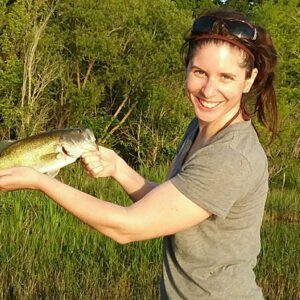
– Dr. Liz Rutledge, NCWF VP of Wildlife Resources
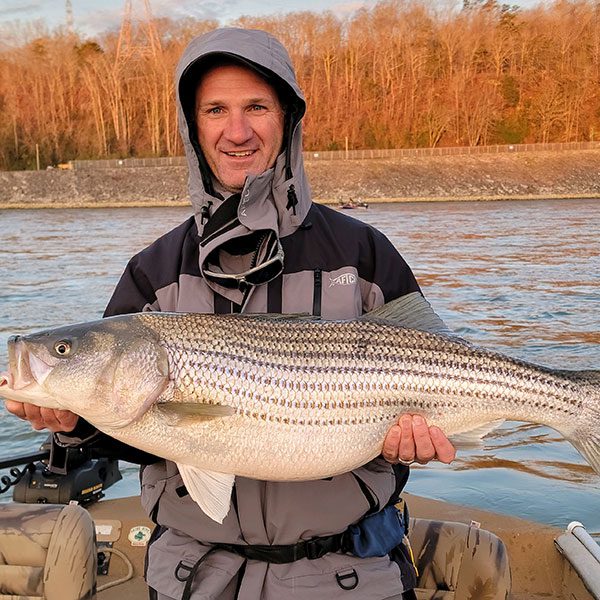
– Cameron Ingram, NCWF Widllife Conservationist