
Seeds Take Root: A Mid-Season Update on NCWF’s Butterfly Highway Seed Trials
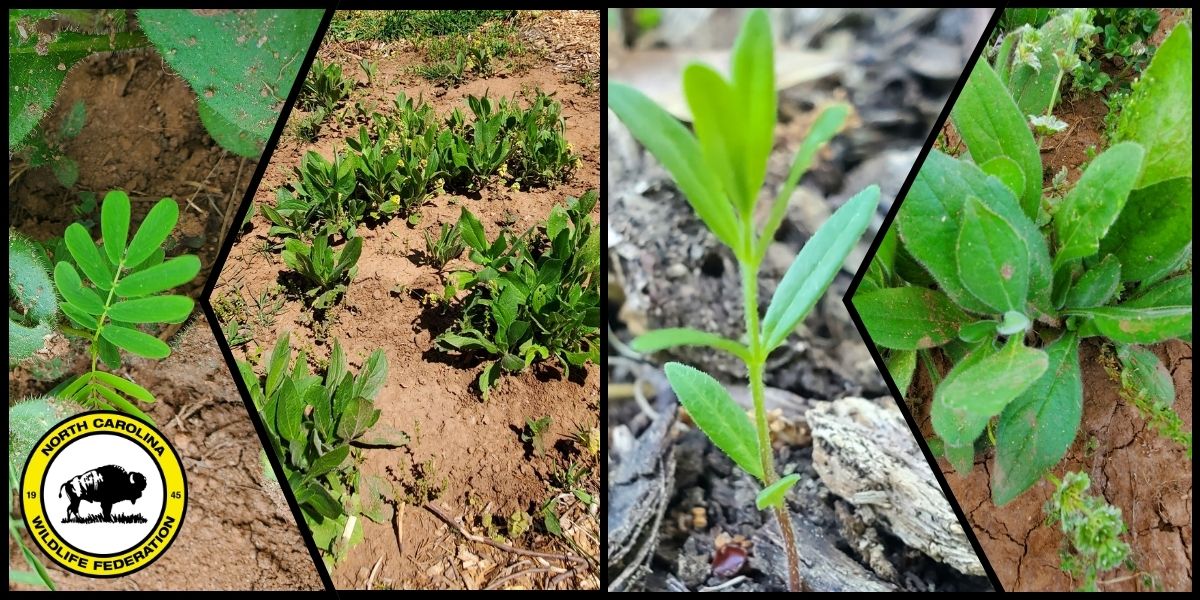
Black-eyed susan, full sun
NCWF’s Butterfly Highway Seed Trials are in full swing at Daniel Stowe Conservancy. Several months have passed since our first seed packets were sown (November), and the plots in full sun show great promise. Black-eyed Susans (Rudbeckia hirta) are winning the race thus far. These fast-growing, upright coneflowers tolerate the clay soil well. The hairy stems and coarse leaves are hard to mistake. Black-eyed Susans are incredibly reliable
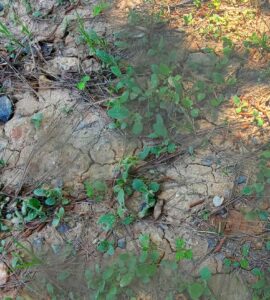
Black-eyed susan, partial shade
pollinator plants.
We can almost guarantee germination and beautiful yellow blooms when sown in November.
By comparison, the black-eyed Susans in our part-shade plots also germinated well, but have been slower to leap.
We were thrilled to see good germination of partridge pea (Chameacrista fasciculata) in both full sun and part shade plots. Partridge pea seedlings have feathery green compound leaves and sometimes fold together in the evening or when touched. This native legume improves soil by fixing nitrogen. We hope to see these showy, long-lasting yellow flowers by mid to late summer.
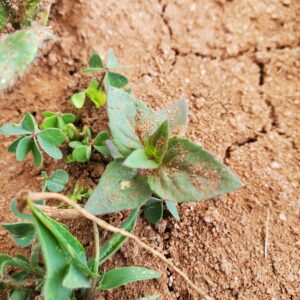
Bee balm
Bee balm (Monarda fistulosa) is just beginning to germinate in our full sun plots. This herbaceous perennial is very similar to true mint. Look for seedlings with square stems and toothed leaves. Mature plants are very aromatic. This slower-growing perennial is not likely to bloom in its first year when planted from seed. Many native perennials spend their first year establishing foliage and root systems before blooming in year two. Your patience will be rewarded.
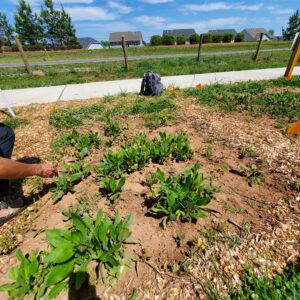
Perhaps the most successful plants popping up this April have been native and non-native weeds. Below is a list of the common weeds (native and non native) we have encountered in our seed plots. They are easily removed by hand pulling:
Bird’s – eye Speedwell (Veronica persica)
Yellow Woodsorrel (Oxalis stricta)
Field Violet (Viola arvensis)
Prickly Sowthistle (Sonchus asper)
Three-Seed Mercury (Acalypha rhomboidea)
Field Madder (Sherardia arvensis)
Carolina Cranesbill (Geranium carolinianum)
Henbit (Lamium amplexicaule)
Deadnettle (Lamium purpureum)
What’s popping up from your seed packet?
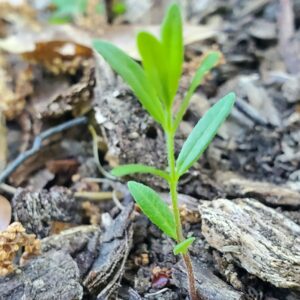
Common milkweed
In addition to black-eyed Susans, partridge pea, and bee balm, we’ve seen milkweed sprouts at other Charlotte-area pollinator pitstops. The Butterfly Highway seed mix includes two native milkweed species: common (Asclepias syriaca) and butterfly weed (Asclepias tuberosa). Both look very similar when young. Look for erect seedlings with alternately arranged narrow leaves (tuberosa) or oppositely arranged elliptical leaves (syriaca).
Stay tuned and sign up for the Butterfly Highway newsletter to receive Butterfly Highway Seed Trial updates as the project moves forward! We are excited to share the results of the six additional seed plots that were sown in February.
Written by:
– Alden Picard, VP of Community Engagement